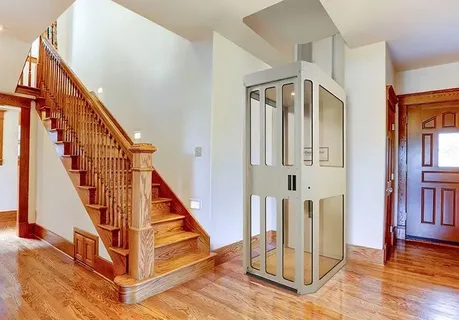
The evolving lifestyles and long-term mobility planning are more evident in modern houses. Comfort, accessibility, and the value of the property are some of the factors that homeowners are currently focusing on when coming up with multi-level homes. Vertical mobility is a functionality and not an option when families prepare to age in place.
Home Elevator Installation has been a critical part of the planning of homes. Owners of property take it into consideration not only when they are building a new place but also when they are doing a significant renovation. The residential elevator systems have become convenient, versatile, and effective in the provision of convenience and safety in the long run and also enhance accessibility of the home. The planners and designers incorporate the elevator-ready area to suit the lifestyle choices as well as the property resale, and therefore, early planning is necessary to make sure that the building is structurally equipped and meets the local regulations.
Understanding the Basics of Home Elevator Installation
Residential Elevator System Types
Homeowners can choose from several types of residential elevators, each with unique mechanical characteristics. Hydraulic elevators use fluid pressure, providing a smooth ride, but often require a dedicated machine room. Traction elevators rely on cables and counterweights, making them energy-efficient and quiet, suitable for taller homes. Pneumatic vacuum elevators use air pressure, require minimal structural changes, and eliminate the need for a traditional shaft.
Structural and Space Requirements
Proper structural planning ensures long-term safety and performance. Elevator shafts must have sufficient vertical clearance, reinforced framing, and the correct pit depth and overhead space. Retrofitting an elevator into an existing home requires evaluating load-bearing walls, floor strength, and electrical capacity. Professional home elevator installation ensures the building code is met, calculates power requirements, and provides backup solutions. These precautions maintain efficiency and reduce future maintenance problems.
Safety, Compliance, and Regulatory Considerations
Standards and Codes of Elevator Safety
All installation stages follow strict safety regulations. Mechanical, electrical, and structural standards come from national and local codes. Safety features include braking systems, door sensors, and emergency alarms. Integrating fire safety systems and emergency lowering mechanisms protects users during power outages. Even if ADA compliance is not mandatory for private residences, cabin size and door width still follow accessibility guidelines for safety and convenience.
Inspection and Certification Process
Installers obtain regulatory approval before starting. Pre-installation checks verify structural compliance, while final inspections test safety mechanisms. The timing of inspections varies by region. Professional installers handle documentation efficiently and liaise with authorities, giving homeowners confidence in the system’s legality and safety.
Cost Factors and Budget Planning
What Influences Home Elevator Installation Costs
Home elevator costs depend on elevator type, custom finishes, structural work, permits, and smart control integration. Hydraulic elevators often cost more due to construction needs, while pneumatic models need fewer modifications. Custom designs and finishes also affect the final budget. Early planning prevents unexpected expenses and ensures long-term value.
Long-Term Ownership Considerations
Elevator ownership extends beyond installation. Homeowners should consider routine maintenance, annual servicing, energy consumption, and parts availability. Traction and pneumatic elevators are energy-efficient, keeping costs low. Service agreements and regular inspections increase reliability and extend the system’s lifespan.
Design Integration and Aesthetic Planning
Customization and Interior Finishes
Modern elevators can complement home designs. Options include glass panels, wood veneers, built-in lighting, and automatic or sliding doors. Aligning aesthetics with functionality ensures the elevator enhances the home’s overall living environment.
Placement Strategy Within the Home
Elevator location affects convenience and privacy. Central locations offer easy access to multiple rooms, while corner placements minimize structural impact. Proper alignment ensures smooth entry and reduces noise, preserving the home’s design and comfort.
Choosing the Right Installation Partner
Experience and Technical Expertise
Selecting a qualified contractor is crucial. Review portfolios, certifications, experience, and technical specialization. A professional installer guarantees accuracy, compliance, and secure installation, aligning with EEAT principles of expertise, authority, and trustworthiness.
Warranty, Service Contracts, and Accountability
Manufacturer warranties and service agreements cover components and emergency response. Maintenance schedules, part coverage, and response times ensure long-term reliability. Partnering with responsible service providers reduces operational risks and builds confidence in the system.
Common Misconceptions About Home Elevators
Many believe elevators are only for luxury homes, but compact systems fit mid-sized homes. Retrofitting is also feasible with modern engineering. Energy consumption concerns have decreased with traction and pneumatic models. Certified contractors simplify approvals, making installations hassle-free.
Conclusion
Installing a home elevator installation requires structural assessment, safety planning, and budget consideration. Choosing the right system, working with qualified specialists, and following regulatory standards ensures convenience, safety, and value. Skilled installation and reliable maintenance create a smooth, worry-free daily experience.
FAQs
What is the average installation time for a home elevator?
It depends on elevator type and home layout. Installation usually takes a few days to a couple of weeks.
Are home elevators energy efficient?
Yes, traction and pneumatic elevators use little energy while providing smooth and quiet operation.
What safety features do home elevators have?
Most include emergency brakes, door sensors, backup power, and communication systems.
Can elevators be added to existing homes without major construction?
Yes, pneumatic elevators require minimal structural changes. Professional planning ensures a smooth retrofit.