The pace of technological change is accelerating, and 2026 promises to be a transformative year. From AI-powered automation to space exploration, sustainable technology, and wearable devices, the impact on daily life, business operations, and global markets will be immense. To remain competitive and future-ready, it is crucial to understand these trends, their implications, and the opportunities they create.
This article explores the top 20 technology trends to watch in 2026, highlighting their applications, benefits, challenges, and how you can leverage them effectively.
1. Artificial Intelligence (AI) Advancements
Artificial Intelligence continues to reshape industries at an unprecedented rate. By 2026, AI will not only automate routine tasks but also enable real-time decision-making, predictive analytics, and personalized services. Healthcare will benefit through AI-assisted diagnostics and patient monitoring, while finance sectors will see enhanced fraud detection, algorithmic trading, and tailored investment advice. Retailers can leverage AI to forecast demand and optimize inventory.
Challenges: AI bias, ethical concerns, and data privacy remain significant issues. Businesses that adopt AI responsibly, balancing automation with human oversight, will gain a strategic edge. Professionals with AI skills—machine learning engineers, data scientists, and AI analysts—will be highly sought after.
2. Generative AI and Creative Technologies
Generative AI is transforming creative industries by producing digital art, marketing content, videos, and music efficiently. Businesses can use AI to streamline content creation, reduce costs, and deliver personalized marketing campaigns. Platforms such as ChatGPT, MidJourney, and DALL·E demonstrate the capabilities of AI to generate professional-quality outputs.
Opportunities: Companies can scale creative processes, personalize products, and engage audiences innovatively.
Challenges: Concerns over originality, copyright, and content authenticity remain. Creative professionals integrating AI as a tool rather than a replacement will maximize productivity.
3. Quantum Computing Breakthroughs
Quantum computing will enable processing at speeds unimaginable for classical computers. Industries such as pharmaceuticals, energy, finance, and logistics will benefit from faster problem-solving, accurate simulations, and enhanced optimization. Companies like IBM and Google continue to lead quantum research, advancing qubit stability and computational power.
Challenges: High costs, limited accessibility, and technical complexity. Organizations investing early in quantum research partnerships will be ahead of competitors, and professionals exploring quantum computing skills will find significant opportunities.
4. 6G and Next-Generation Connectivity
6G networks are expected to revolutionize connectivity with speeds up to 100 times faster than 5G, enabling real-time AR/VR, autonomous vehicles, and fully connected smart cities. The ultra-low latency will support IoT devices, telemedicine, remote education, and immersive experiences.
Regional Spotlight: Asia-Pacific is leading early 6G trials, giving companies there a competitive edge.
Challenges: Infrastructure investment, global standardization, and regulatory hurdles. Early adoption will provide a technological advantage and enable innovative applications across industries.
5. Internet of Things (IoT) Expansion
IoT is expanding from consumer devices to industrial, healthcare, and urban applications. In 2026, smart cities will integrate sensors for traffic management, waste management, and energy optimization. Hospitals will monitor patients remotely, and manufacturers will optimize operations through connected machines.
Challenges: Data privacy, cybersecurity, and device interoperability. Gradual IoT adoption, combined with robust security protocols, will maximize efficiency while minimizing risk.
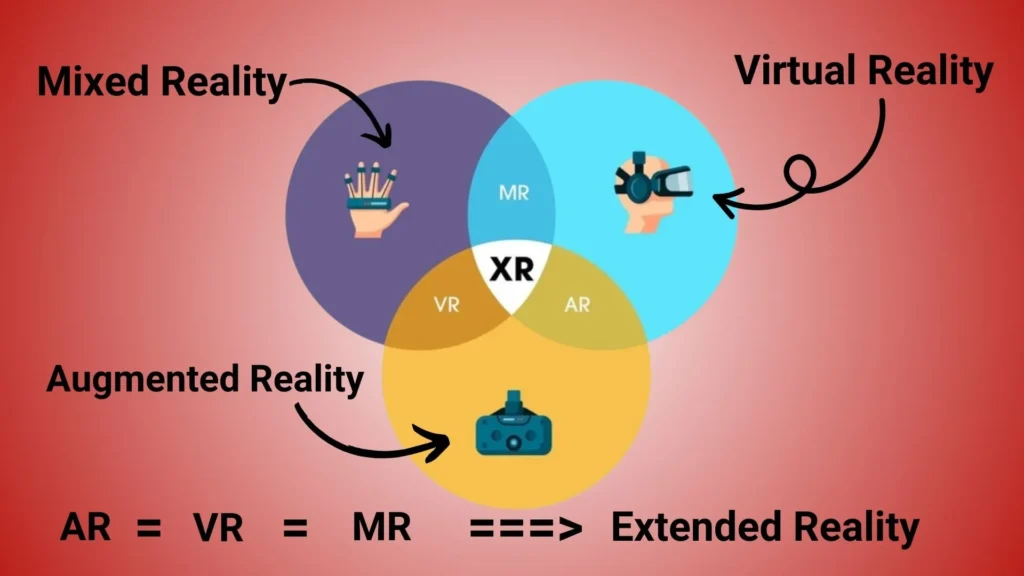
6. Extended Reality (XR) – AR, VR, MR
Extended Reality, which includes AR, VR, and MR, will reshape education, entertainment, and remote work. Training programs using XR will simulate real-world scenarios, reducing costs and improving retention. Retailers will provide immersive shopping experiences, and healthcare providers will leverage VR simulations for surgical planning.
Challenges: High adoption costs, limited content creation, and hardware affordability. Early adopters of XR can significantly enhance user experience and operational efficiency.
7. Blockchain Beyond Cryptocurrency
Blockchain technology will increasingly be applied beyond cryptocurrencies for secure, transparent, and decentralized solutions. Supply chains will use blockchain to track products, healthcare will protect patient data, and finance will implement decentralized solutions.
Challenges: Scalability, energy consumption, and regulatory compliance. Companies leveraging blockchain responsibly will improve trust, reduce fraud, and streamline operations.
8. Cybersecurity Innovations
As cyber threats grow more sophisticated, 2026 will see innovations in AI-powered threat detection, zero-trust security, and cloud protection. Businesses and individuals alike face evolving risks, from ransomware attacks to phishing campaigns.
Opportunities: Organizations investing in advanced security systems, continuous monitoring, and employee training will reduce vulnerabilities. Cybersecurity specialists, ethical hackers, and security architects will be in high demand.
9. Edge Computing Growth
Edge computing reduces latency by processing data near the source rather than sending it to centralized cloud servers. Industries such as manufacturing, autonomous vehicles, and healthcare will adopt edge solutions to enable real-time decision-making.
Challenges: Integration with existing systems and deployment complexity. Businesses leveraging edge computing will gain faster insights, improved performance, and operational efficiency.
10. Sustainable and Green Technologies
Sustainability will dominate technological agendas in 2026. Green energy solutions, eco-friendly materials, and energy-efficient devices will reduce environmental impact while improving operational efficiency.
Opportunities: Organizations adopting green technologies will reduce costs, enhance brand reputation, and comply with regulations. Challenges: Initial investment, slow adoption, and technical implementation. Expertise in renewable energy, sustainable manufacturing, and green IT will be highly valuable.
11. Autonomous Vehicles and Smart Transportation
Autonomous vehicles, smart public transport, and delivery drones will transform urban mobility. By 2026, self-driving cars and AI-assisted traffic management will reduce accidents, improve traffic flow, and optimize logistics.
Challenges: Legal regulations, ethical considerations, and infrastructure readiness. Companies investing early in autonomous transport solutions will gain efficiency and market leadership.
12. Robotics and Automation
Robotics will continue to enhance productivity in industries ranging from manufacturing to healthcare and logistics. Collaborative robots (cobots) will work alongside humans, increasing efficiency without replacing the workforce entirely.
Challenges: Workforce adaptation, training requirements, and ethical concerns. Businesses that integrate robotics strategically will improve precision, reduce errors, and maintain operational continuity.
13. Biotechnology and Health Tech
Healthcare innovation will accelerate with personalized medicine, gene editing, and wearable health monitors. AI-powered diagnostics and predictive analytics will enable proactive treatments and remote care.
Opportunities: Improved patient outcomes, reduced treatment costs, and data-driven health insights.
Challenges: Ethical considerations, regulatory compliance, and affordability. Professionals skilled in biotech, digital health, and bioinformatics will see growing demand.
14. Advanced Semiconductor Innovations
Semiconductors power AI, IoT, edge computing, and quantum devices. By 2026, smaller, faster, and energy-efficient chips will drive innovation across sectors.
Examples: NVIDIA AI chips, Intel next-gen processors.
Challenges: Manufacturing complexity and high investment costs. Companies investing in semiconductor technology will gain a significant competitive advantage.
15. Space Technology and Exploration
Commercial space ventures and satellite innovations are set to grow. Companies like SpaceX, Blue Origin, and NASA will advance satellite-based internet, private missions, and space research.
Opportunities: Global connectivity, scientific discovery, and commercial space travel.
Challenges: High costs, technical risks, and regulatory hurdles. Businesses exploring space tech partnerships will gain first-mover advantage.
16. Human-Computer Interfaces (HCI)
Next-gen HCI will make interactions more intuitive, leveraging voice, gesture, and neural interfaces. Brain-computer interfaces will enhance productivity, accessibility, and gaming experiences.
Challenges: Privacy, adoption barriers, and hardware limitations. Early adopters can benefit from enhanced usability and improved human-machine collaboration.
17. Digital Twins and Simulation Technologies
Digital twins replicate physical systems virtually, enabling monitoring, optimization, and testing. Industries including manufacturing, energy, and urban planning will use digital twins to simulate operations, predict failures, and optimize performance.
Challenges: Data accuracy, integration complexity, and cost. Companies that implement digital twins strategically can improve efficiency and reduce operational risks.
18. Financial Technology (FinTech) Evolution
FinTech will continue to disrupt traditional banking, payments, and investment. AI-driven banking, blockchain-based transactions, and digital wallets will improve accessibility and convenience.
Challenges: Regulatory compliance, cybersecurity risks, and adoption barriers. Businesses adopting FinTech solutions can enhance efficiency, reduce costs, and provide innovative financial services.
19. Wearable and Personal Technology
Wearable devices such as smartwatches, AR glasses, and fitness trackers will provide real-time health monitoring, productivity insights, and personalized entertainment experiences.
Opportunities: Personalized lifestyle management, early detection of health issues, and productivity optimization.
Challenges: Privacy concerns, device interoperability, and adoption barriers. Companies developing wearable technologies will benefit from increasing consumer demand.
20. Challenges & Opportunities Across All Trends
Across these 20 trends, common challenges include cybersecurity threats, regulatory hurdles, ethical concerns, and workforce adaptation. However, early adopters who strategically invest in these technologies, upskill their teams, and innovate responsibly will gain significant advantages.
Businesses and individuals should monitor trends, adopt technologies thoughtfully, and anticipate future developments to remain competitive in 2026 and beyond.
Conclusion
2026 is poised to be a transformative year for technology, with innovations across AI, XR, IoT, blockchain, robotics, quantum computing, and more shaping how we live, work, and interact with the world. Businesses that embrace these trends early, invest in skill development, and adopt technologies responsibly will gain a competitive edge.
These trends also present opportunities for personal growth, career advancement, and smarter decision-making. Staying informed, exploring emerging technologies, and anticipating challenges will allow individuals and organizations to navigate the evolving landscape effectively. The future belongs to those who understand and leverage technology strategically—2026 will be the year to act, innovate, and lead.
Frequently Asked Questions (FAQs)
1. What are the top technology trends to watch in 2026?
AI, generative AI, quantum computing, 6G, IoT, XR, blockchain, robotics, wearable tech, and sustainable technologies are expected to dominate in 2026.
2. How will AI impact businesses in 2026?
AI will optimize workflows, enable predictive decision-making, enhance customer experiences, and create new job opportunities in AI development and analytics.
3. What industries will benefit most from generative AI?
Marketing, entertainment, content creation, healthcare, and finance are among the industries that will benefit significantly from generative AI technologies.
4. How will 6G change global connectivity?
6G will provide ultra-fast, low-latency networks, enabling smart cities, real-time AR/VR experiences, autonomous vehicles, and fully connected IoT ecosystems.
5. What are the challenges of adopting IoT in 2026?
IoT adoption faces challenges such as cybersecurity risks, device interoperability, and data privacy concerns, requiring strong security protocols and regulatory compliance.
6. How will XR (AR/VR/MR) impact businesses and education?
XR technologies will enhance remote training, immersive learning, virtual collaboration, and interactive customer experiences across various industries.
7. What is the role of blockchain beyond cryptocurrency?
Blockchain will provide secure, transparent, and decentralized solutions for supply chains, identity management, healthcare records, and financial transactions.
8. Why is cybersecurity critical in 2026?
As digital adoption grows, cyber threats become more sophisticated. Investing in AI-driven security, zero-trust frameworks, and employee training is essential to prevent breaches.
9. What are the most promising wearable technologies?
Smartwatches, AR glasses, fitness trackers, and health-monitoring wearables will provide real-time insights for health, productivity, and personalized experiences.
10. How can businesses prepare for emerging technology trends?
Stay informed about trends, upskill employees, invest in strategic technology adoption, focus on ethical implementation, and leverage data-driven insights to remain competitive.